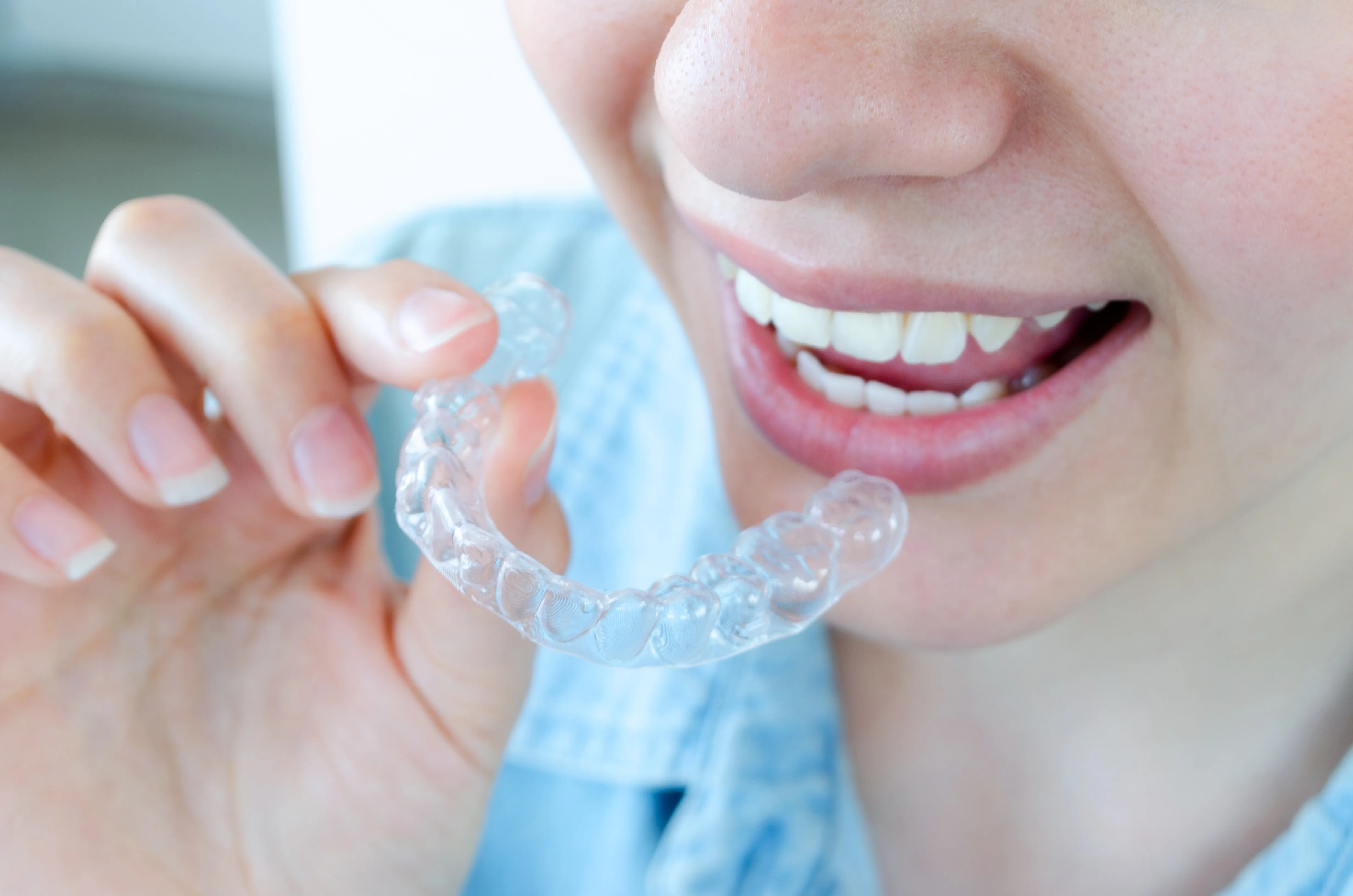
Invisalign in Charlotte, NC
Invisalign in Charlotte at Sacksteder Orthodontics: how treatment works, who it suits, timelines, costs and what to expect at your consultation.
Plenty of people want straighter teeth but stall at the thought of metal brackets and wires. If that sounds familiar, Invisalign may be worth a conversation with an orthodontist. It uses a series of removable, custom-made trays, each one designed to move your teeth a little at a time, following a plan built around you.
Choosing Invisalign in Charlotte, NC is about more than picking removable trays over braces, though. Your tooth alignment, your bite, your goals and your daily habits all help decide whether aligners are a sensible fit. And because the trays come out, they only do their job when they're worn the way your orthodontist recommends.
At Sacksteder Orthodontics, an orthodontic evaluation is a practical first step. It gives you a clear sense of where your teeth stand today and which treatment options might suit you.
How Does Invisalign Work?
Every aligner is custom made for your teeth. Each tray applies gentle, controlled pressure to specific areas, nudging teeth toward the positions your orthodontist has planned. After a set period, you switch to the next tray in the series, and the process repeats.
You'll have regular appointments along the way. Those visits let your orthodontic team see how your teeth are responding and whether treatment is moving along as expected.
Many patients like that the aligners are removable. In general, they come out for meals, drinks other than water, brushing and flossing, following the instructions your orthodontist gives you. Anyone researching Invisalign in Charlotte, NC should think about how that routine will look on an ordinary Tuesday, because the day-to-day fit matters almost as much as the technology.
What Orthodontic Problems Can Invisalign Address?
Invisalign is sometimes used for a range of concerns, depending on the person. These may include:
- Crowded teeth
- Gaps between teeth
- Certain types of crooked teeth
- Some bite alignment concerns
- Mild to moderate alignment issues
That said, no single treatment works for every smile. The type and amount of tooth movement needed can shape whether Invisalign makes sense or whether another approach would be a better match.
This is why an evaluation comes first. Your orthodontist can look at your teeth and bite, hear what bothers you about your smile, and walk you through the options that may fit your situation.
What Are the Benefits of Invisalign?
Most people who look into Invisalign in Charlotte, NC are drawn to the flexibility it can offer. Here's what tends to come up most often.
A Less Noticeable Look
The trays are made from a transparent material, so for many patients they're harder to spot than traditional metal braces.
Removable Design
Fixed braces stay put for the whole treatment. Aligners, by contrast, can come out for meals and for cleaning your teeth, as your orthodontist directs.
A Simpler Brushing and Flossing Routine
With no brackets or wires in the way, you can brush and floss the way you normally would once the trays are out.
Fewer Food Restrictions
Since aligners are typically removed before you eat, you're not working around brackets. Your orthodontist will explain how to wear and care for your trays so they stay in good shape.
Built Around Your Treatment Plan
Your aligners come from a plan based on your own orthodontic needs, not a one-size-fits-all template.
For people who want something more discreet, these features can be appealing. Whether Invisalign actually works well for you still depends on your individual circumstances.
Is Invisalign Right for You?
The most reliable way to find out is to have an orthodontist evaluate your teeth and bite. During that visit, they may look at:
- How your teeth are aligned right now
- How your upper and lower teeth meet
- The kind of tooth movement required
- Your overall oral health
- What you hope to change
- Whether you can commit to the wear schedule
That last point deserves a moment. Because aligners are removable, they rely on you. If the trays spend more time in a case than in your mouth, treatment may not progress the way it was planned.
Not sure whether Invisalign in Charlotte, NC suits you? A complimentary consultation is a low-pressure way to get clearer answers.
Invisalign vs. Traditional Braces: Which Should You Choose?
Both are well-established ways to move teeth, but they feel quite different to live with. Invisalign uses removable trays. Traditional braces use brackets and wires that stay attached until treatment ends.
Invisalign may appeal to people who prefer:
- An appliance that's less noticeable
- A treatment they can take out
- The freedom to remove it for meals
- Easier access to their teeth when brushing and flossing
Braces may come into the conversation when certain tooth movements or bite corrections call for a different approach.
There isn't a universal winner here. The right choice depends on your teeth, your goals and your lifestyle. A consultation with Sacksteder Orthodontics can help you weigh the differences and talk through what may be appropriate.
How Long Does Invisalign Treatment Take?
There's no single timeline that applies to everyone.
How long Invisalign treatment lasts can depend on how much your teeth need to move, how complex your concerns are, and how consistently you follow your orthodontist's instructions. Some patients may finish sooner, while others need more time.
After examining your teeth and bite, your orthodontist can give you a more personal estimate. Regular appointments also help keep an eye on progress along the way. Once active treatment ends, retainers are typically part of the plan to help hold your teeth in their new positions.
If timing is your biggest question, bring it up during your consultation for Invisalign in Charlotte, NC and ask which factors could affect your own schedule.
What Is Daily Life Like With Invisalign?
The biggest difference between aligners and braces is how they fit into your day. With Invisalign, you take the trays out to eat, follow your orthodontist's cleaning instructions, and put them back in afterward.
That last step matters. Keeping track of your trays becomes part of treatment. You'll want to wear them on the schedule you were given and store them safely whenever they're out, which means a proper case instead of a napkin at a restaurant.
For many patients, these habits become second nature over time. If you'd rather not think about it at all, though, an appliance that stays in place, like braces, may be worth discussing.
Is Invisalign Available for Adults and Teens?
Both teens and adults may be candidates, depending on their individual needs.
Adults often like the discreet look, especially when work meetings, social events and busy schedules are part of the picture. If you're exploring orthodontic treatment as an adult, an evaluation can show how aligners compare with your other options.
Teenagers may also be a good fit, depending on how their teeth are developing, what needs to be corrected, and whether they can stick with the routine. Parents can read more about orthodontic care for children and teens here. Younger children who are still growing may be better suited to early orthodontic intervention before any aligner treatment is considered.
Age alone doesn't decide it. Your orthodontist will look at your circumstances before recommending a path.
Searching for Invisalign in Charlotte, NC for yourself or for your teen? An evaluation can show you which options may be available.
How Much Does Invisalign Cost in Charlotte, NC?
Cost varies from one patient to the next. Several things can influence it:
- How complex your orthodontic concerns are
- How much tooth movement is needed
- How long treatment is expected to last
- The specifics of your plan
- Insurance coverage
- Payment arrangements that may be available
A price you see online can't account for all of that, so the most accurate way to get a real number is to talk through your case with an orthodontist.
At your consultation, it helps to ask what the fee includes, whether your insurance benefits might apply, and what payment options exist.
What Happens During an Invisalign Consultation?
Think of your first consultation as a conversation. You'll talk about what you'd like to change about your smile, and your orthodontist will look at your teeth and bite to see whether Invisalign may be appropriate. Depending on your needs, diagnostic records may also be recommended to help plan treatment.
It's also your chance to ask questions. Many people want to know:
- How Invisalign works
- Whether they may be a candidate
- How long treatment could take
- How often appointments are needed
- How to care for the aligners
- What happens if a tray is lost or damaged
- What the treatment may cost
- Which insurance and payment options are available
Once those answers are in hand, deciding whether to begin Invisalign in Charlotte, NC tends to feel a lot more straightforward.
Start Your Invisalign Journey With Sacksteder Orthodontics
If you're curious about Invisalign in Charlotte, NC, the first step is finding out whether it fits your needs.
At Sacksteder Orthodontics, you can talk through your smile concerns, your goals and your options with the team. An individualized evaluation can help you understand whether Invisalign may be appropriate and what the process could involve.
Interested in Invisalign for yourself or your teen? Contact Sacksteder Orthodontics to schedule an orthodontic consultation and learn more about Invisalign treatment in Charlotte, NC.
Frequently Asked Questions
How much does Invisalign cost in Charlotte, NC?
How long does Invisalign treatment take?
Is Invisalign better than braces?
Is Invisalign painful?
How do I get started with Invisalign in Charlotte, NC?
Latest Blog Posts
Explore our blog for expert advice, treatment insights and oral care tips.
How Much Do Braces Cost in Charlotte, NC?
Explore the cost of braces in Charlotte, including average pricing, factors that influence costs, insurance coverage, financing options, and questions to ask before starting treatment.
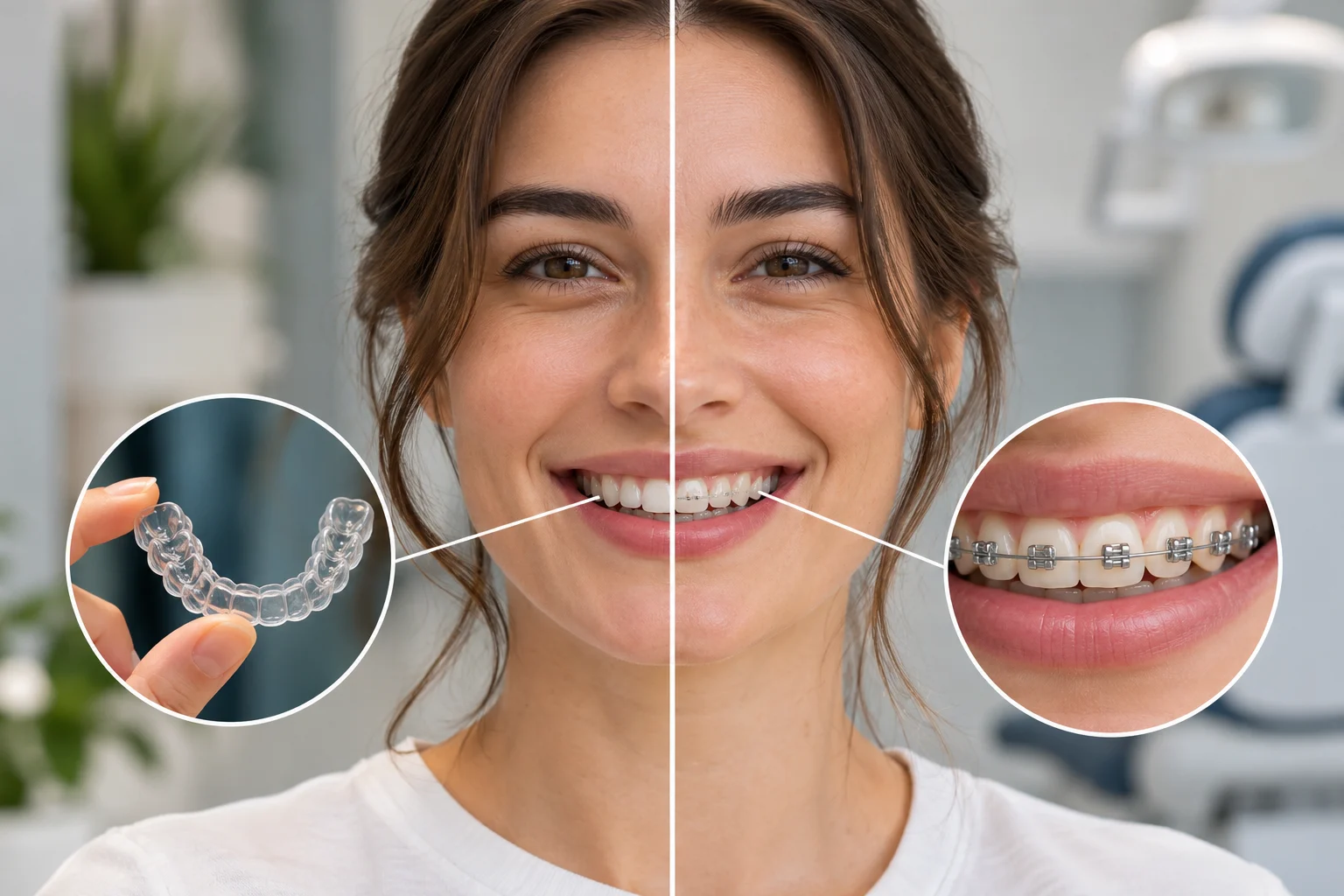
Clear Aligners vs. Braces: Which Orthodontic Treatment Is Right for You?
Understand how clear aligners compare with braces, including how each treatment works, their benefits, key differences, and factors to consider when choosing.

What Can an Orthodontist Do That a Dentist Can't?
Not sure if you need a dentist or an orthodontist? Here is a clear breakdown of what each one actually treats and when to see which.
Ready to Start Straight Smilin’?
Call to book a consultation or send us a message.


